

About Me

About Me

About Me

My Story

For years, I struggled in my professional career. I wouldn't even call it a career. It was just a series of jobs.

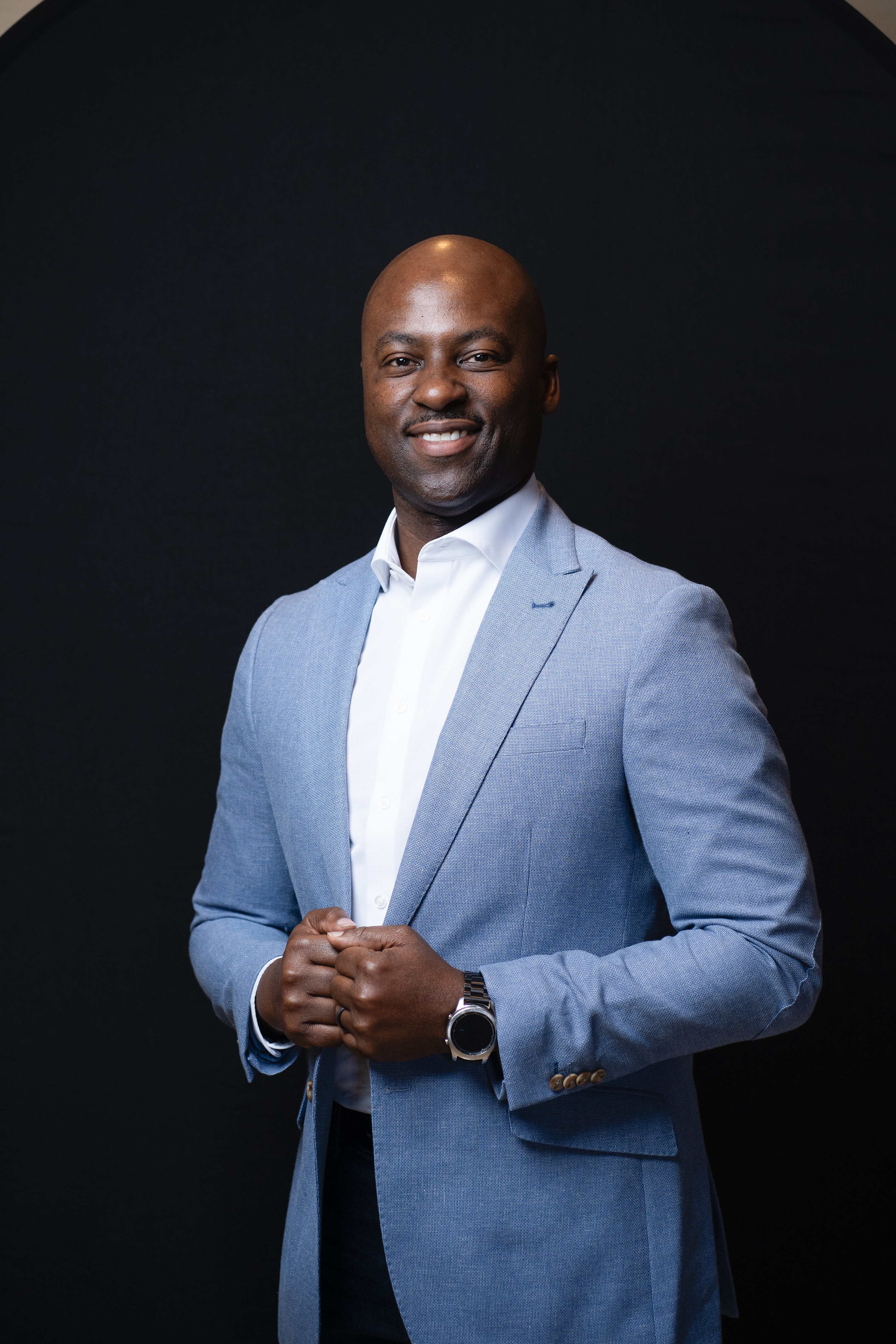
I could never break through to that next level of leadership. The frustration was compounded because I knew I was a good leader.

Outside of work, my influence was thriving.
For nearly two decades, I'd been leading people; serving as an ordained minister, preparing for pastoral ordination, and impacting lives week after week. I knew I had something to offer.

But professionally, it didn’t translate. I showed up strong in certain environments and tentative in others. I had situational authority, confident when conditions felt familiar, hesitant when they didn’t.

When I interviewed for a big leadership role after many years, I knew I had a shot, but I was also nervous because I'd been rejected so many times before. Subconsciously, I had prepared myself for another rejection.

The final interview was with an executive vice president, the person the role would report to. As the conversation intensified, something unexpected happened. The personal authority I lived in everywhere except work took over. I spoke with clarity and conviction, and without shrinking.

After one comment, I thought, I can’t believe I just said that.

I got the promotion.

From that moment on, everything changed. New roles. Greater responsibility. Broader scope. More influence.

Not because I suddenly became more capable, but because I stopped separating who I was from how I led.

The purpose of the story is what I learned. Authority isn’t something you turn on when the conditions are right. It’s something you embody, everywhere.

I could never break through to that next level of leadership. The frustration was compounded because I knew I was a good leader.

Outside of work, my influence was thriving.
For nearly two decades, I'd been leading people; serving as an ordained minister, preparing for pastoral ordination, and impacting lives week after week. I knew I had something to offer.

But professionally, it didn’t translate. I showed up strong in certain environments and tentative in others. I had situational authority, confident when conditions felt familiar, hesitant when they didn’t.

When I interviewed for a big leadership role after many years, I knew I had a shot, but I was also nervous because I'd been rejected so many times before. Subconsciously, I had prepared myself for another rejection.

The final interview was with an executive vice president, the person the role would report to. As the conversation intensified, something unexpected happened. The personal authority I lived in everywhere except work took over. I spoke with clarity and conviction, and without shrinking.

After one comment, I thought, I can’t believe I just said that.

I got the promotion.

From that moment on, everything changed. New roles. Greater responsibility. Broader scope. More influence.

Not because I suddenly became more capable, but because I stopped separating who I was from how I led.

The purpose of the story is what I learned. Authority isn’t something you turn on when the conditions are right. It’s something you embody, everywhere.

person sitting in a chair in front of a man
photography of people inside room during daytime

Christian leaders have authority at work, it's just fragmented.

You can't lead with clarity when you're reacting under pressure. You can't make consistent decisions when you're questioning whether your work even matters. And you can't carry authority when part of you believes your contribution has no eternal weight.

That's why I built a coaching process to exhibit authority at work.

Not for motivation or balance but for our authority to hold under pressure.

I designed this for professionals who know what's right but don't act consistently. For leaders who are tired of hesitating when it counts.

This coaching is not for everyone.

It's not for people avoiding responsibility. Not for those who want encouragement without examination. And definitely not for anyone unwilling to look at how they actually make decisions.

I help Christian professionals embrace their internal authority that they sometimes leave behind. We don't chase balance or fight imposter syndrome. We demonstrate authority that follows you wherever you go.

person sitting in a chair in front of a man